|

 |
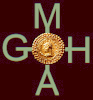
CELTIC TRIBES - DANUBE REGION - AR Tetradrachm, 3rd/2nd century BC
weight 12,20gr. ; silver Ø 22mm.
Imitation of Philippos II tetradrachm.
obv. Laureate head of Zeus left
rev. Youth on horseback right, K left above, K in front, monogram below
Under this title ″Celtis tribes Danube region″ are generally grouped all the coinages that do not have a precise attribution. Sometimes the term "Eastern Celts" is offered. After the Celts plundered Delphi and spread through Greece and Asia Minor, they seized a significant amount of spoils, thanks to their plunder. The Hellenistic kings, Diadoques or Epigones, used them as mercenaries in their armies where the average salary was normally one stater of gold corresponding to five tetradrachms of Attic standard or twenty drachms. The prototypes which represented the head of Zeus with a horseman were widely copied and imitated throughout the Balkans, northern Macedonia and Thrace. The final phase of the coinage occurs at the end of the 2nd century or the beginning of the first century BC where there are no traces of the obverse and the reverse as well as legends more than a domed face of a coin. practically smooth on both sides.
This type with head left and two letters K on the reverse is
not published in the important reference literature. Extremely rare.
Castelin - ; Pink - ; SMM (Kostial) - ; De la Tour - ; Demski - RRR
vf-
|
|
| |
|
|
| |
|

 |
CELTIC TRIBES - EASTERN EUROPE - SYRMIAE - AR 1/8 (?) Stater, 3rd century BC
weight 0,89gr. ; silver Ø 11mm.
obv. Letter A within beaded circle resting on round relief with rays
rev. Forepart of horse left
Castelin- ; Allen- ; Forrer-; de la Tour- ;
Sear- ; cf. Lanz, Auktion 162, no.8 ;
cf. Tkalec Auktion 14-15 April 1986, no. 28 "unediert" RRR
Very attractive celtic coin of the highest rarity.
vf+/vf |
|
| |
|